
What we can design into your home
The cheapest time to add green technology is while you're already building. Roofs are open, floors are up and walls are being insulated, so cables, pipes and structure can go in once, in the right place.
| System | What it does | What we design |
|---|---|---|
| Solar panels | Generate electricity from daylight, even on cloudy days | Panel layout, roof structure check, inverter and cable routes, planning check |
| Home battery | Stores solar power and cheaper overnight electricity for the evening | A safe, ventilated location with space for the inverter and isolators |
| Air source heat pump | Heats your home and hot water from outside air, replacing a gas or oil boiler | Unit position, noise and boundary checks, space for the hot water cylinder |
| Underfloor heating | Gentle, low-temperature heat that suits a heat pump | Floor build-up and insulation depths, shown on your drawings |
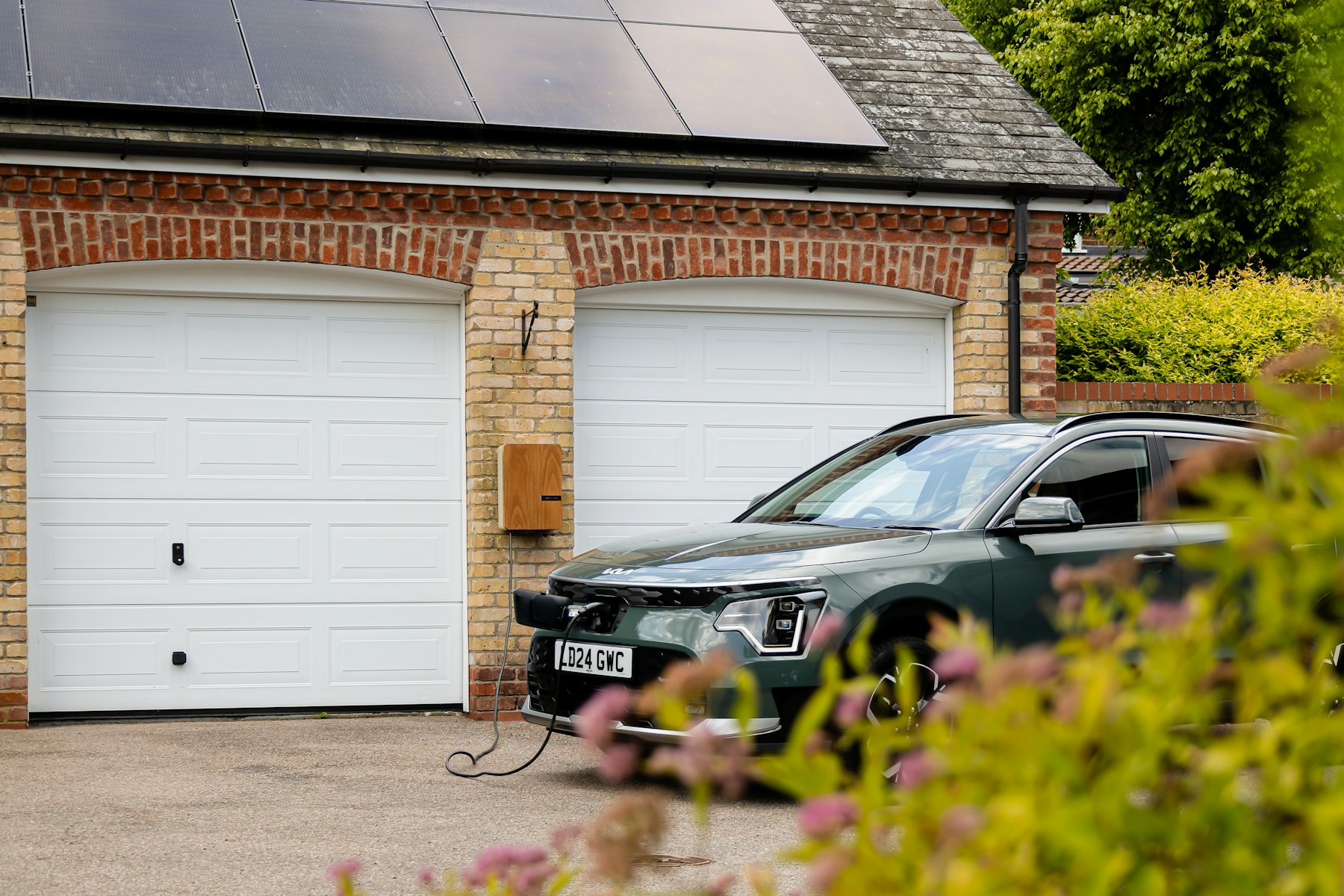
| EV charger | Charges your car at home, ideally from your own solar | Charger position and cable route from the consumer unit |
| Insulation and glazing | Keeps the heat you pay for inside | Wall, roof and floor build-ups that meet or beat building regulations |
Solar panels
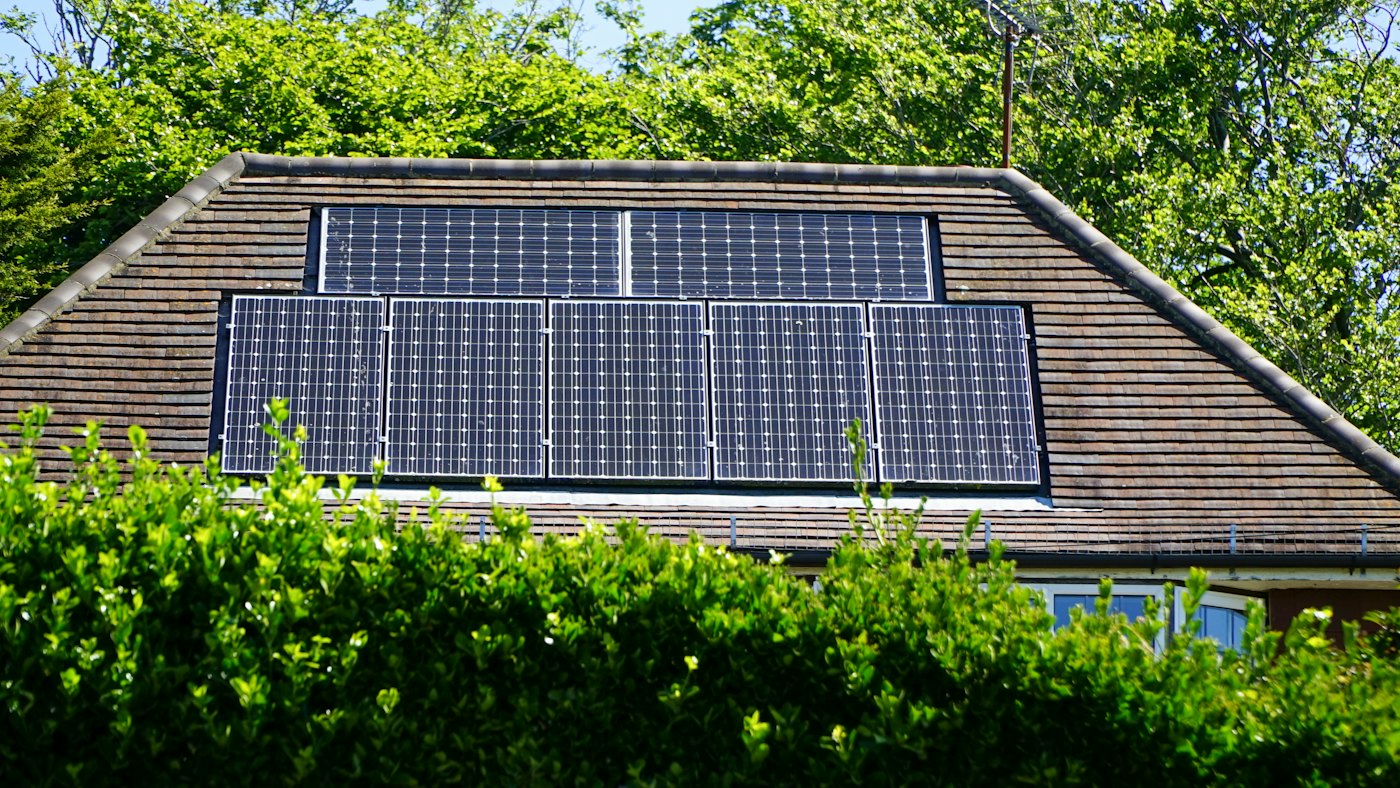
A new extension or loft conversion is the ideal moment to add solar. We check which roof slopes get the most light, how many panels fit, and whether the roof can carry the extra weight. On a flat extension roof, panels can sit on low frames angled towards the sun.
Planning. On a house in England, roof panels are usually permitted development, so no application is needed, as long as they:
- don't sit higher than the highest part of the roof (chimneys excluded)
- stick out no more than 200 mm from a pitched roof slope, or rise no more than 600 mm above a flat roof
- are positioned, as far as practical, to limit their effect on how the house looks
In a conservation area or World Heritage Site, panels on a wall facing the road need permission. Listed buildings, and buildings in their grounds, need permission. We check your address before anything is designed.
Selling your spare power. Under the Smart Export Guarantee, energy suppliers pay you for the electricity you send back to the grid. Rates vary by supplier, so it's worth comparing.
Home batteries
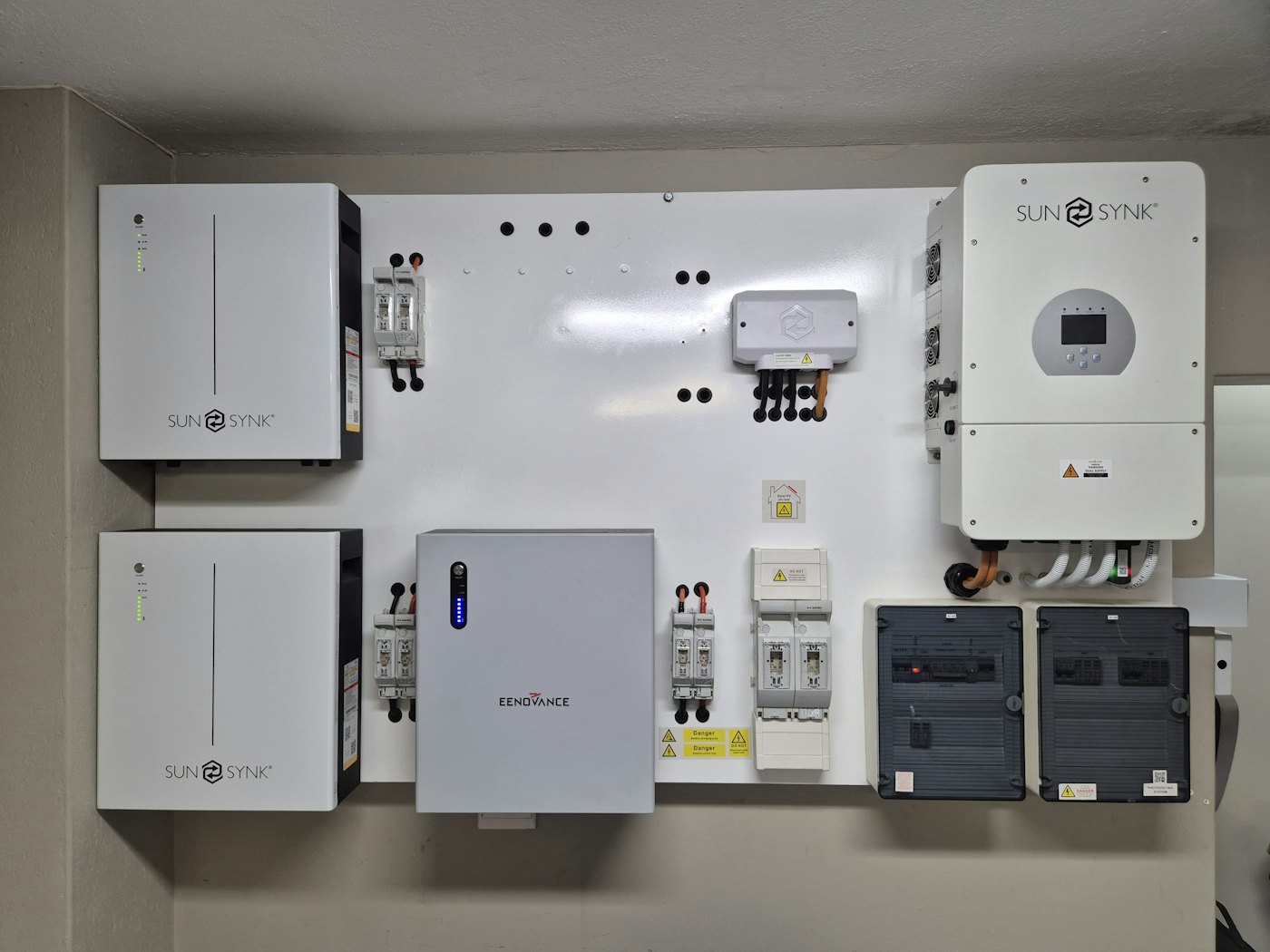
Solar panels produce most in the middle of the day, when many homes use the least. A battery stores that power for the evening. It can also charge on a cheaper overnight tariff. A Tesla Powerwall 3, for example, stores 13.5 kWh of usable energy.
Batteries need careful siting: a garage, utility room or outside wall, away from bedrooms and escape routes, with the clearances the manufacturer specifies. We find the right spot early, so it doesn't end up squeezed into a hallway cupboard as an afterthought.
Air source heat pumps
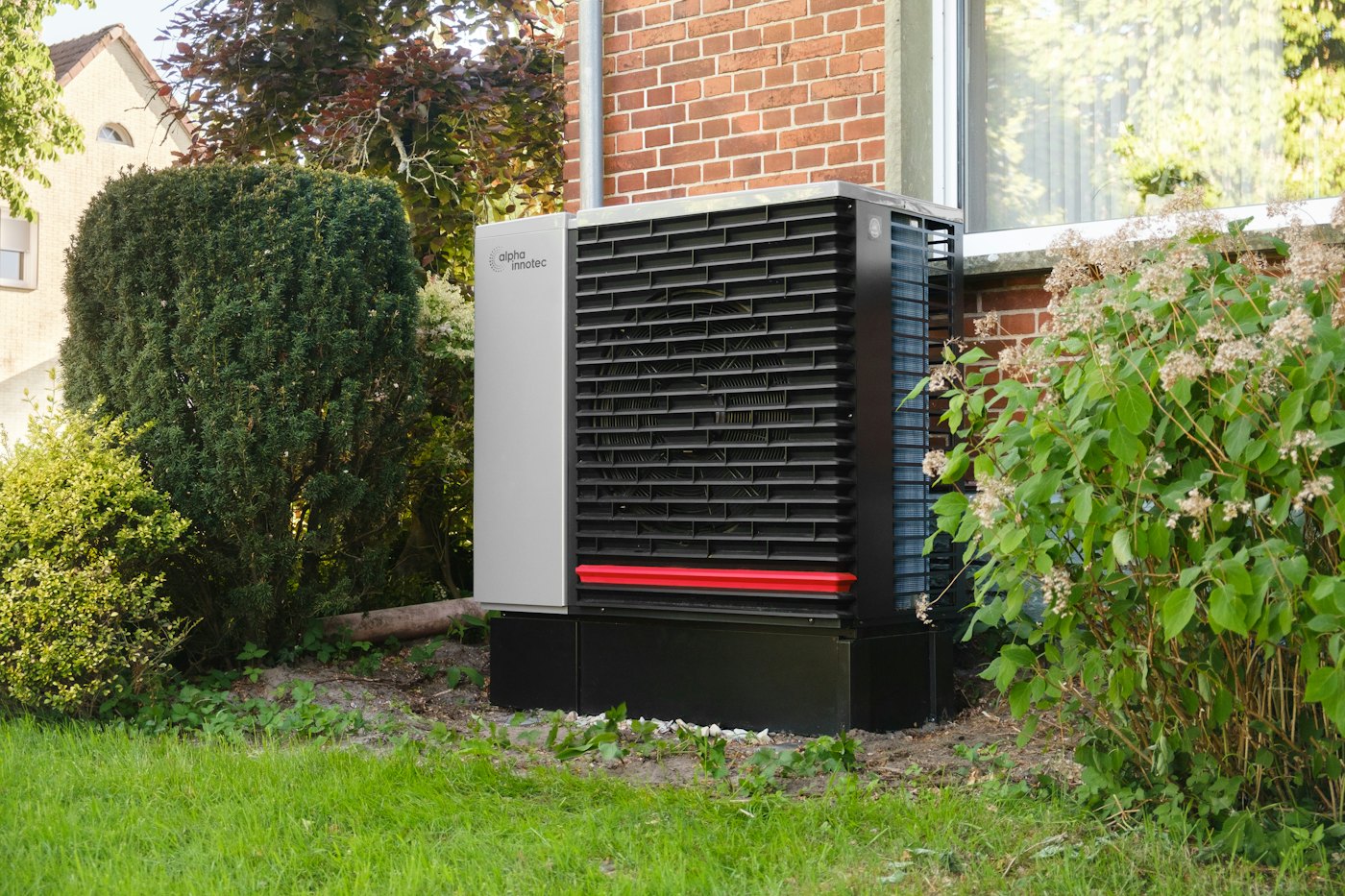
An air source heat pump takes heat from the outside air, even in winter, and uses it to heat your home and hot water. It replaces a gas or oil boiler, and works best in a well-insulated home with larger radiators or underfloor heating.
The design decisions matter more than the unit itself:
- Where the unit goes: close to the house for short pipe runs, away from bedroom windows, with room to breathe and to be serviced
- Hot water cylinder: a heat pump heats a stored tank of hot water, so you'll need cupboard space, often where a combi boiler never needed it
- Heat loss: rooms need the right size of radiators or underfloor heating to stay warm at lower water temperatures
Planning. Since 29 May 2025, most air source heat pumps on houses in England are permitted development. The unit can be up to 1.5 m³, with one per house, or two on a detached house, and it must meet the MCS noise standard. The old rule keeping units a metre from the boundary has gone. Conservation areas and listed buildings have extra restrictions, which we check for you.
The grant. The government's Boiler Upgrade Scheme gives £7,500 towards an air source or ground source heat pump in England and Wales, when it replaces fossil-fuel heating. Your MCS-certified installer applies for it and takes it off your bill.
Fabric first, then technology
The greenest energy is the energy you don't use. Before adding technology, we make sure the building itself holds its heat: insulation in walls, roofs and floors, airtight junctions, and glazing sized and positioned for light without heat loss.
Your extension has to meet the building regulations for energy efficiency anyway. We can design to go beyond them where it's worth it, for example deeper floor insulation under underfloor heating, or a roof built ready for future panels.
Grants and savings
| Scheme | What you get | Good to know |
|---|---|---|
| Boiler Upgrade Scheme | £7,500 off an air source or ground source heat pump | England and Wales. Must replace fossil-fuel heating and be fitted by an MCS-certified installer |
| 0% VAT | No VAT on installing solar panels, heat pumps and insulation, and on batteries fitted with them | Until 31 March 2027. Equipment you buy and fit yourself is standard-rated |
| Smart Export Guarantee | Payment for the solar electricity you export to the grid | Rates are set by each supplier and vary |
Grant amounts and VAT rules change. We check the current position for your project before you commit.
How we design it in
- Assessment: we look at your home, roof, heating and plans, and suggest which systems make sense
- Design: panels, battery, heat pump, cylinder and charger shown on your drawings, alongside the rest of the design
- Planning check: we confirm what's permitted development and include anything else in your planning application
- Building regulations: insulation, structure for roof panels and the heating layout, in your building regulations package
- Installer quotes: included in your Scope of Works, so MCS-certified installers quote for exactly the same system